Names carry stories. Some are simple, passed down through family or chosen for their sound. Others...
Travel Drama & Arrival in Stavanger
The trip started before I even reached the boat. My morning flight from Manchester to Amsterdam was delayed, leaving me with just minutes to make the connection to Stavanger. Schiphol airport stretched out ahead of me — a 32-minute walk across terminals and a queue at passport control. I sprinted, skipped lines in the short-connection lane, and made the gate just as boarding closed.
Relief turned quickly to panic when my bag didn’t appear in Stavanger. Hours of phone calls and emails later, another crew member arriving on a later flight managed to collect it and bring it to the harbour. Only then did I breathe easy, stepping aboard CatZero at Børevigå Guest Harbour.
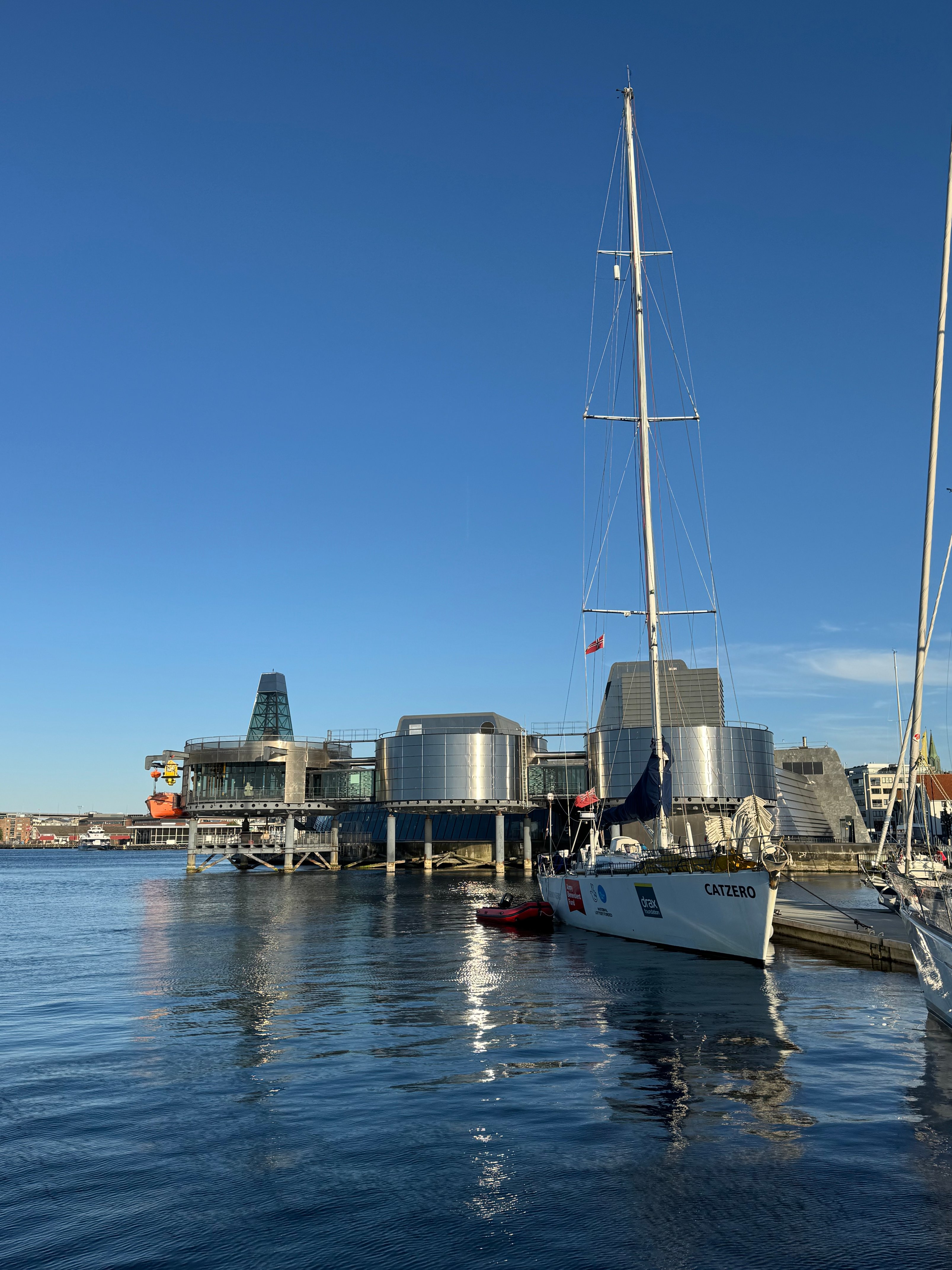
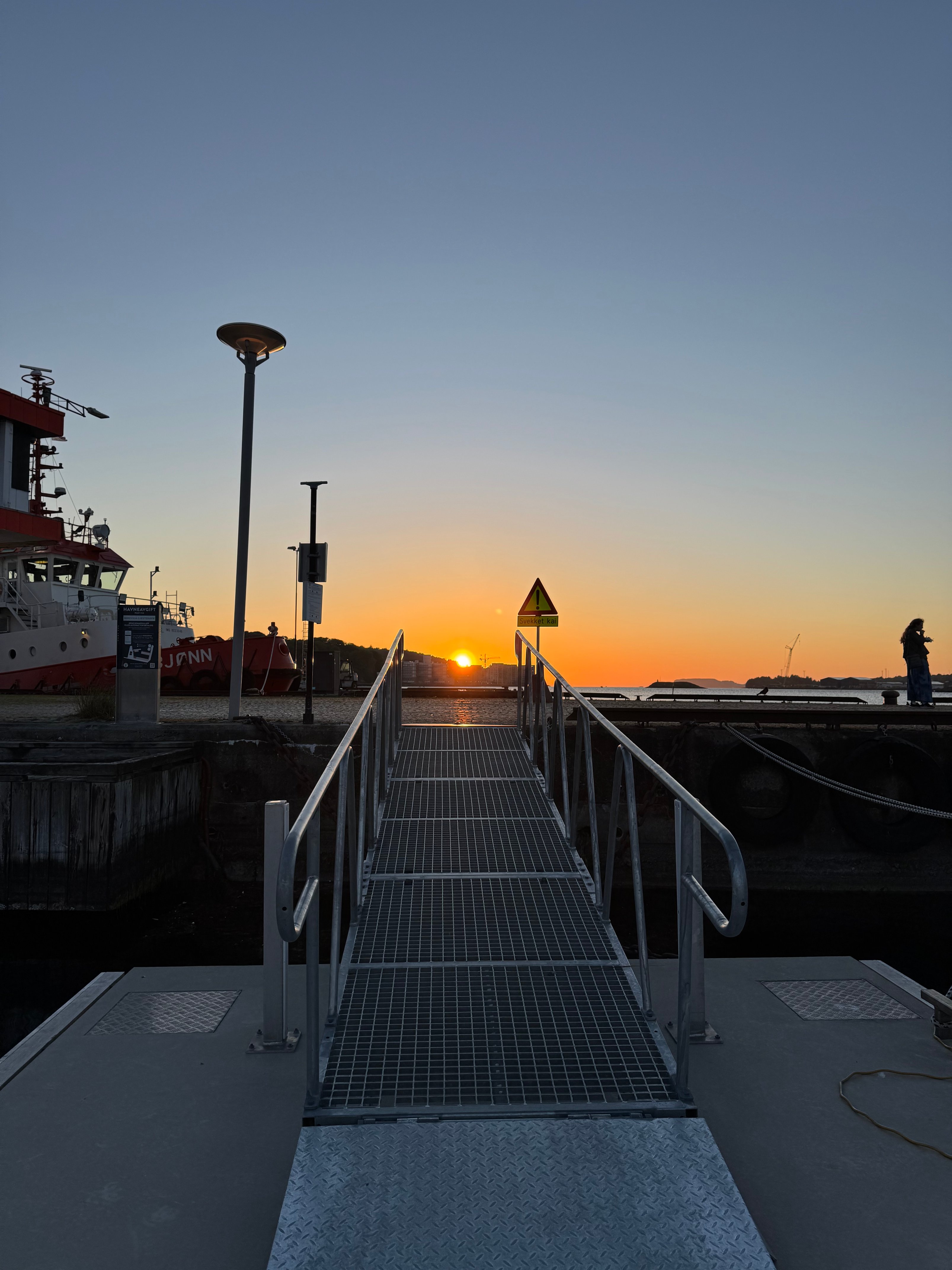
That evening, with everyone finally gathered, the skipper spread charts across the saloon table. We talked through the plan: a few days in the fjords, a climb to Preikestolen, then the long passage back across the North Sea to Hull. I slipped away for a short walk through Stavanger’s harbour — past the Oil Museum, sculptures by the water, and a quiet sunset over the bridge — before heading back for a hot shower and crawling into my bunk, ready to set sail the next morning.
Ådnøy Anchorage & First Fjord Adventures
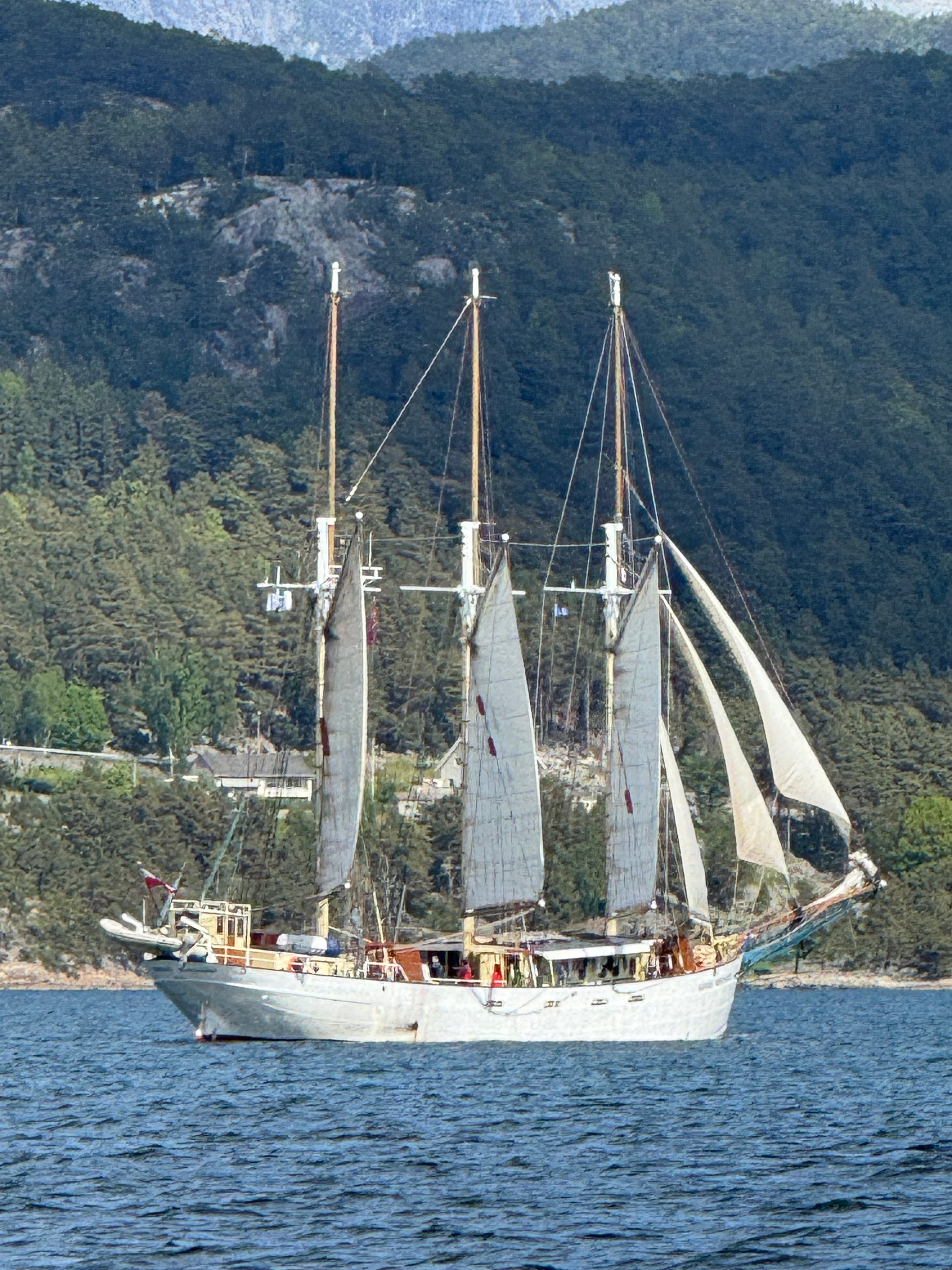
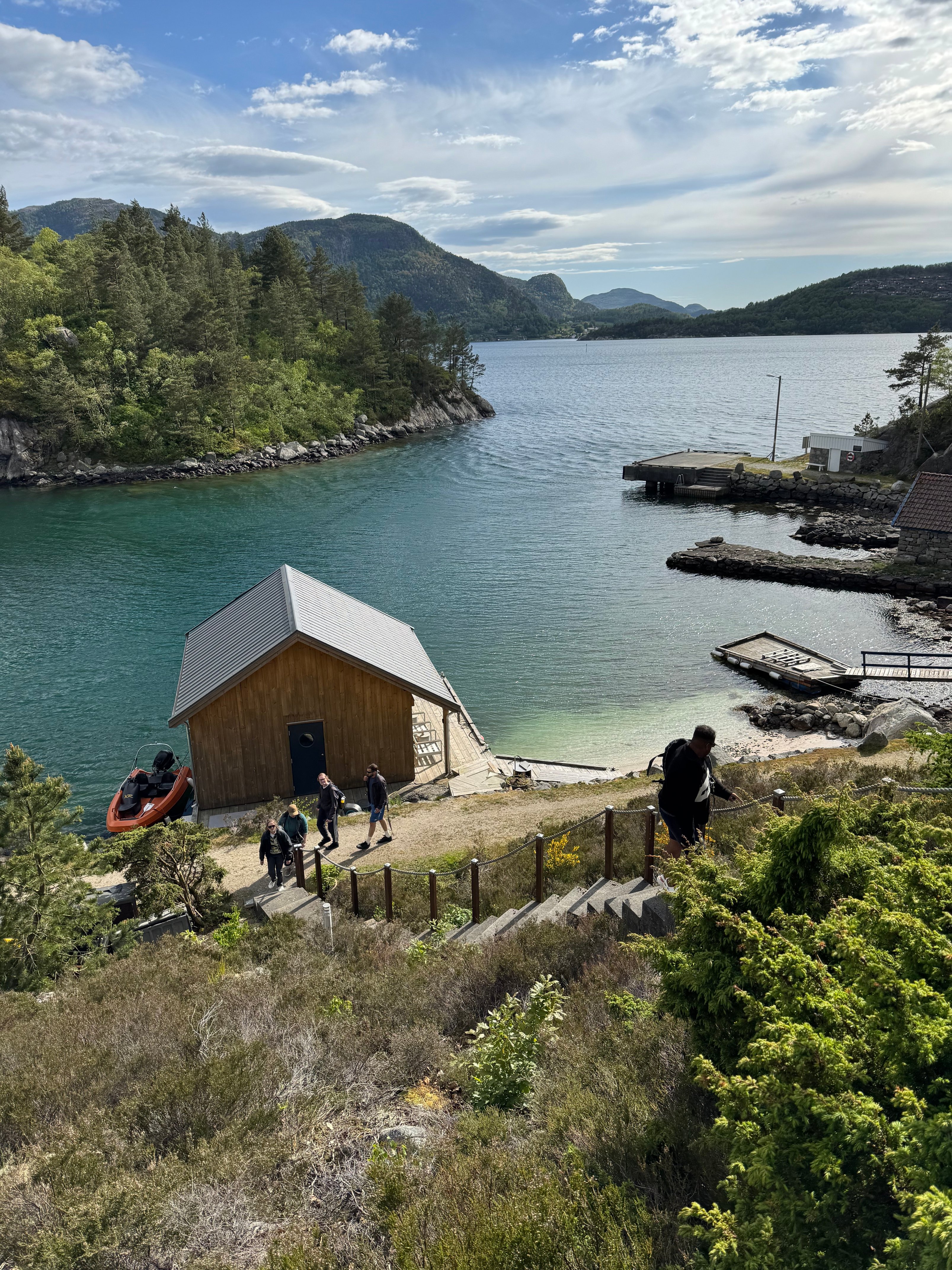
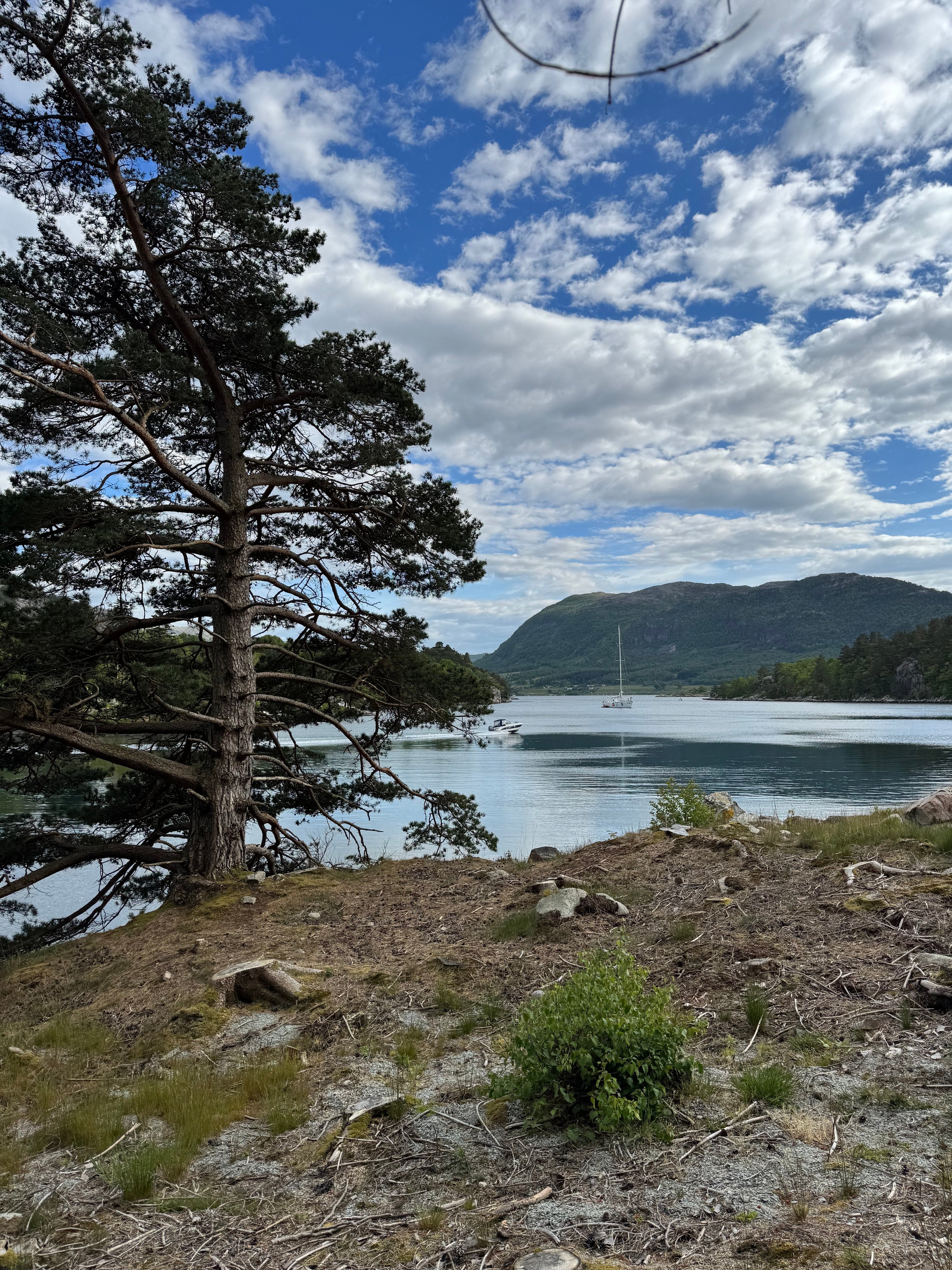
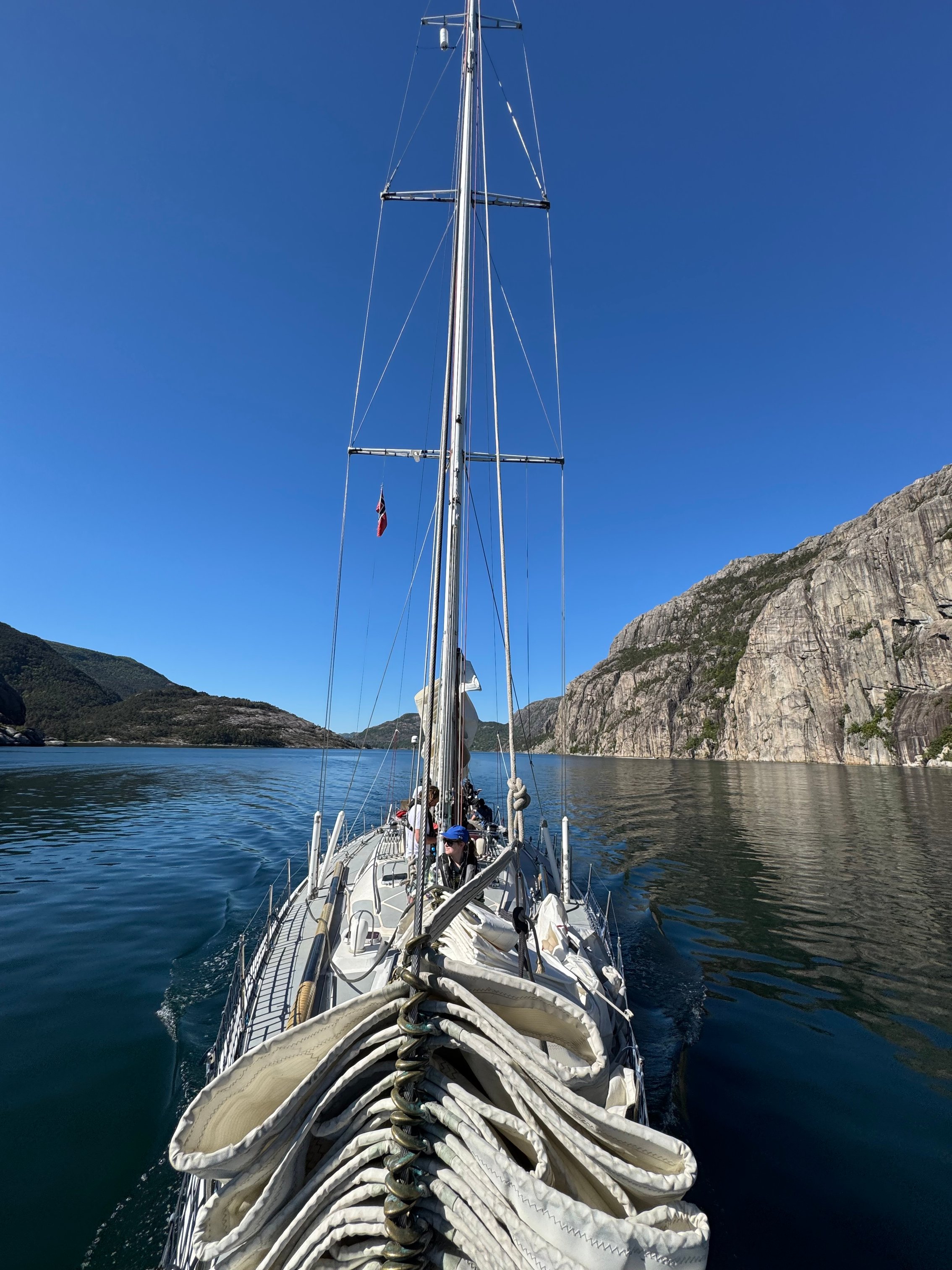
We left Stavanger and made for Ådnøy, dropping anchor in a sheltered bay. The tender was launched, and we set off ashore. On the way, we passed swans gliding across the still water, spotted a tall ship in the distance, and even made friends with ducks once we landed.
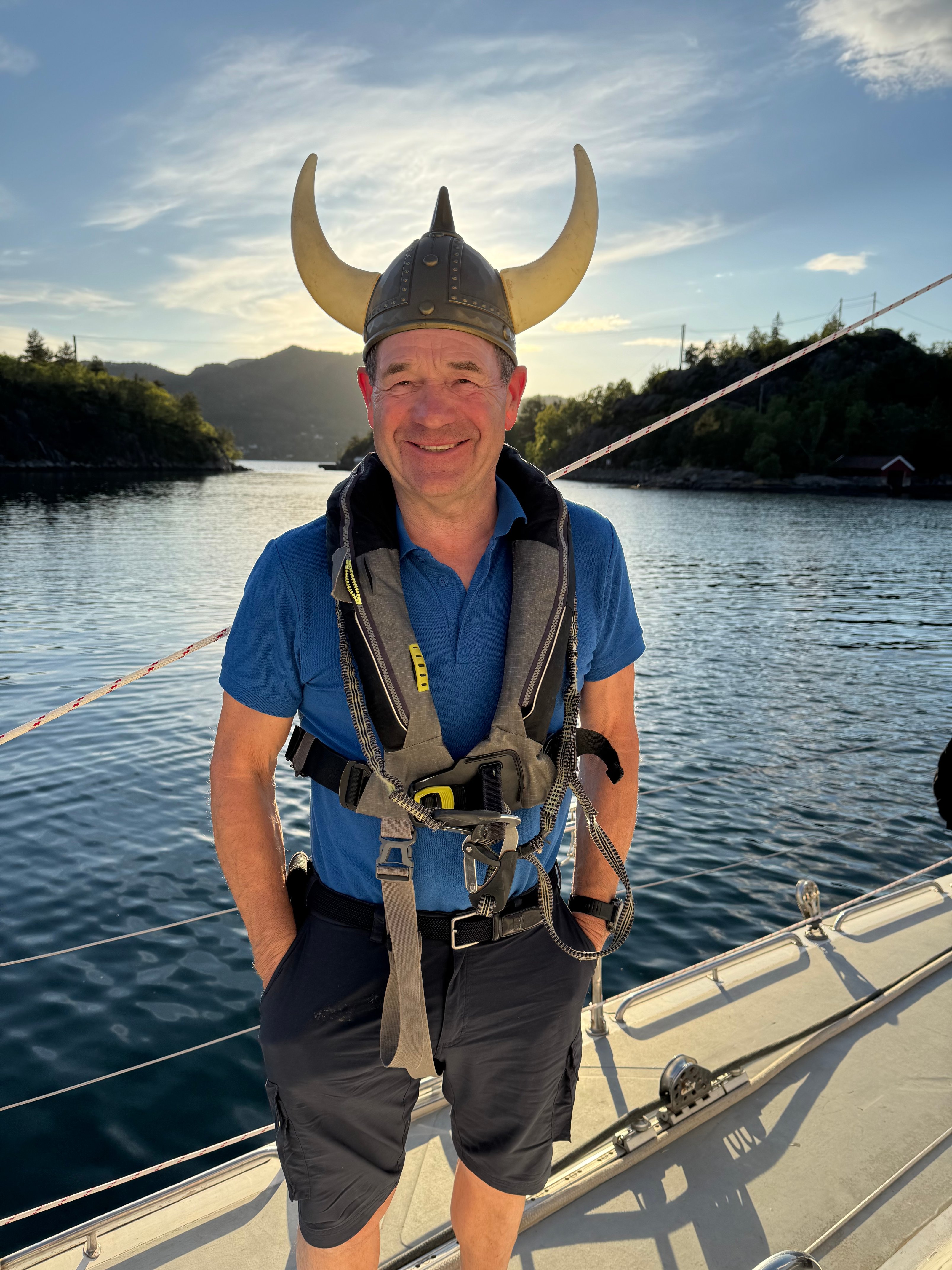
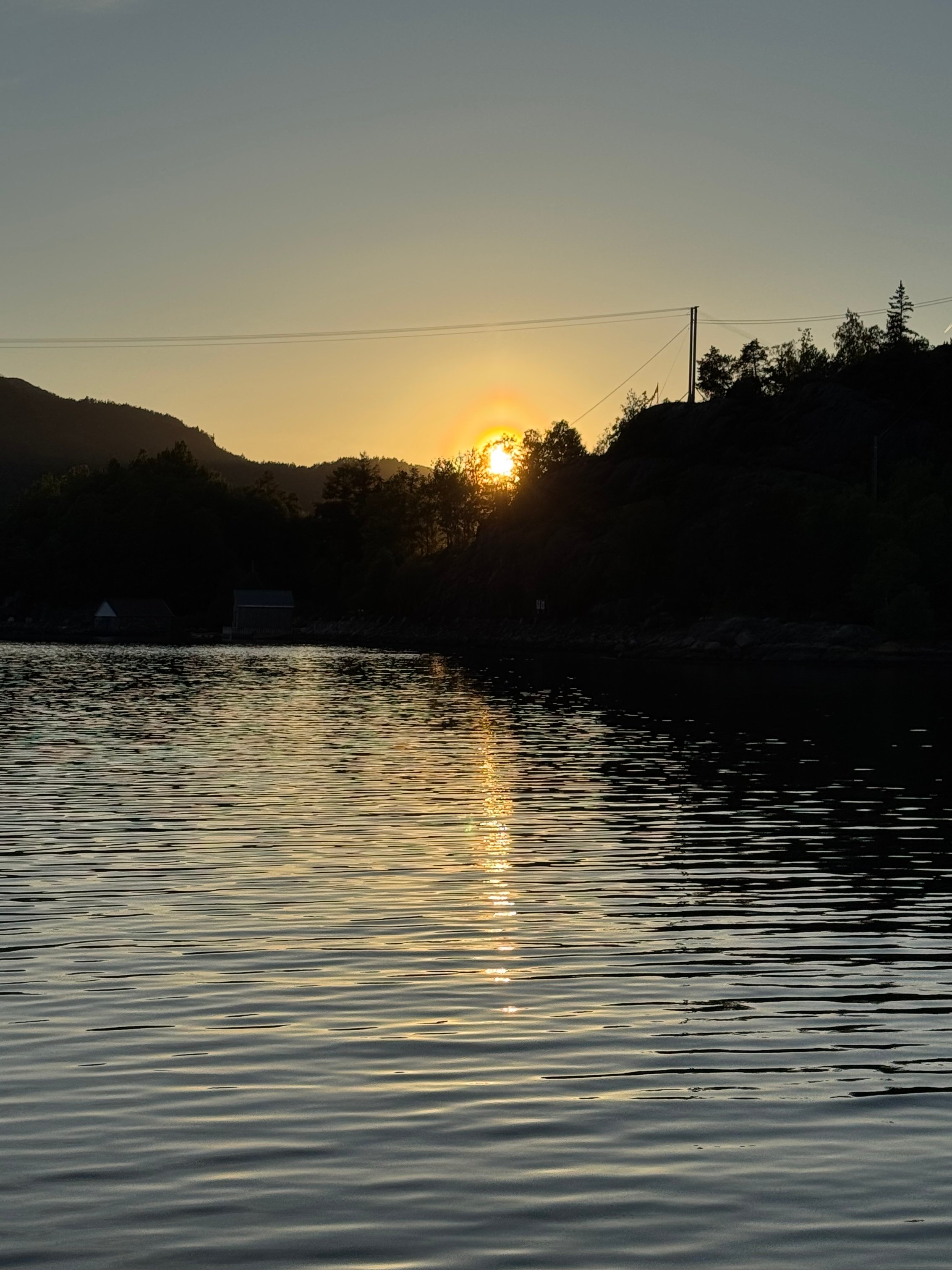
Back on board, some of the crew braved the fjord water for the first swim of the trip. That evening, as the sun set over the mountains, the Viking hat made its first appearance, passed around with plenty of smiles. We spent the night at anchor, rocked to sleep in the calm of our first real taste of Norway.
Forsand, Fjord Swim & Preikestolen
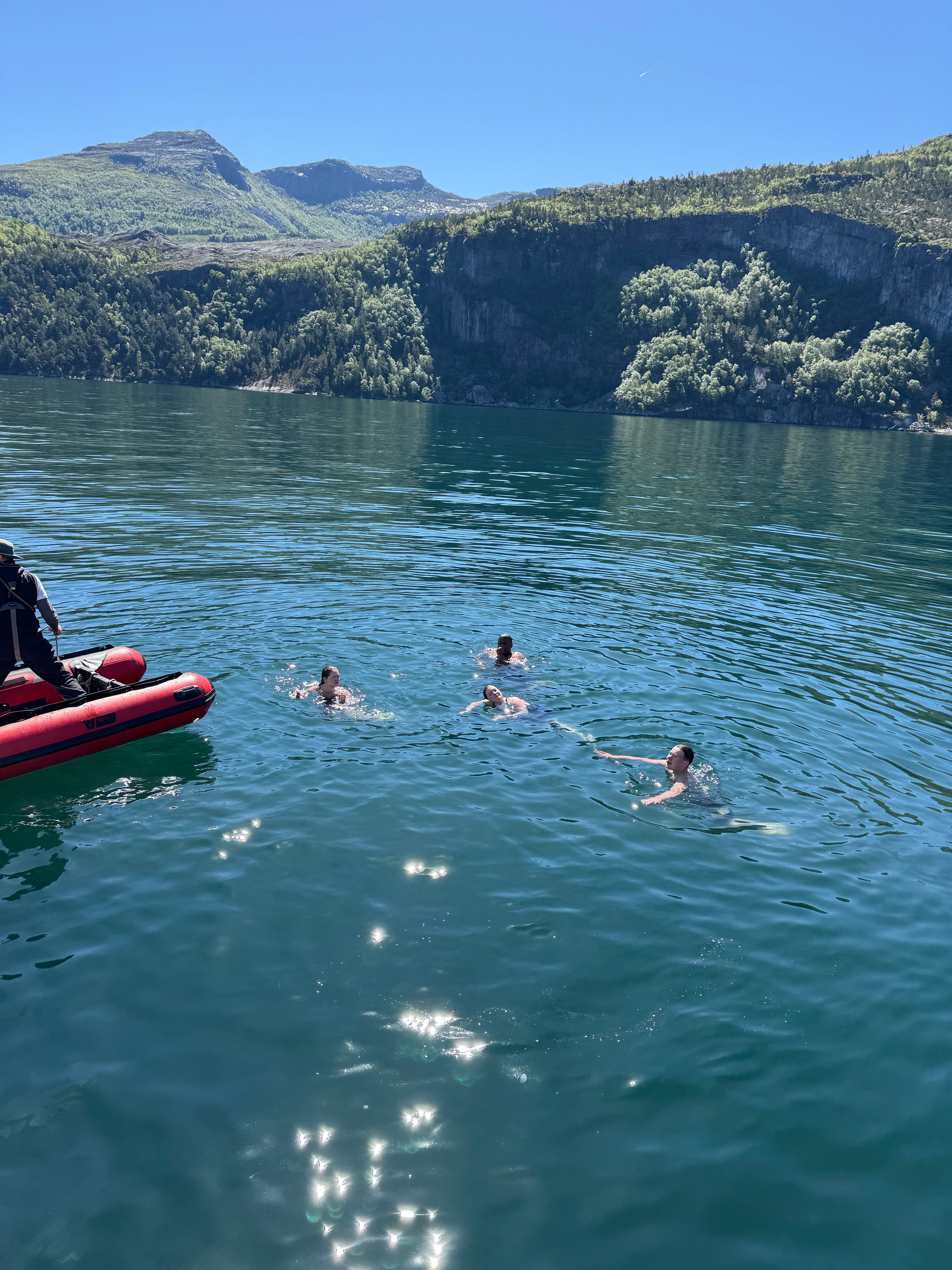
The next day we sailed further to Forsand and anchored again. This time I joined the swimmers, plunging into the cold fjord water. It stole my breath, but floating beneath cliffs that towered hundreds of metres above was epic.
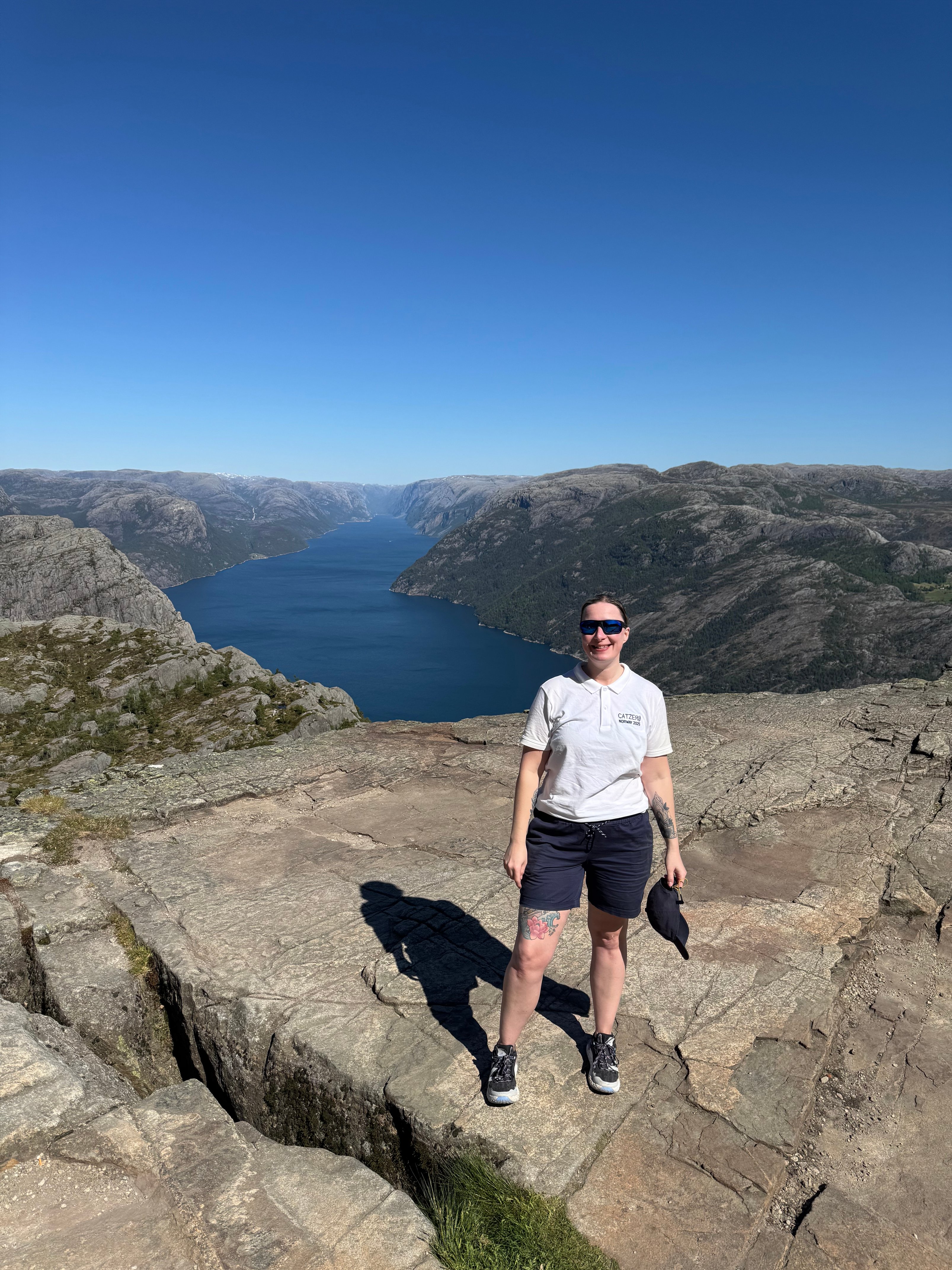
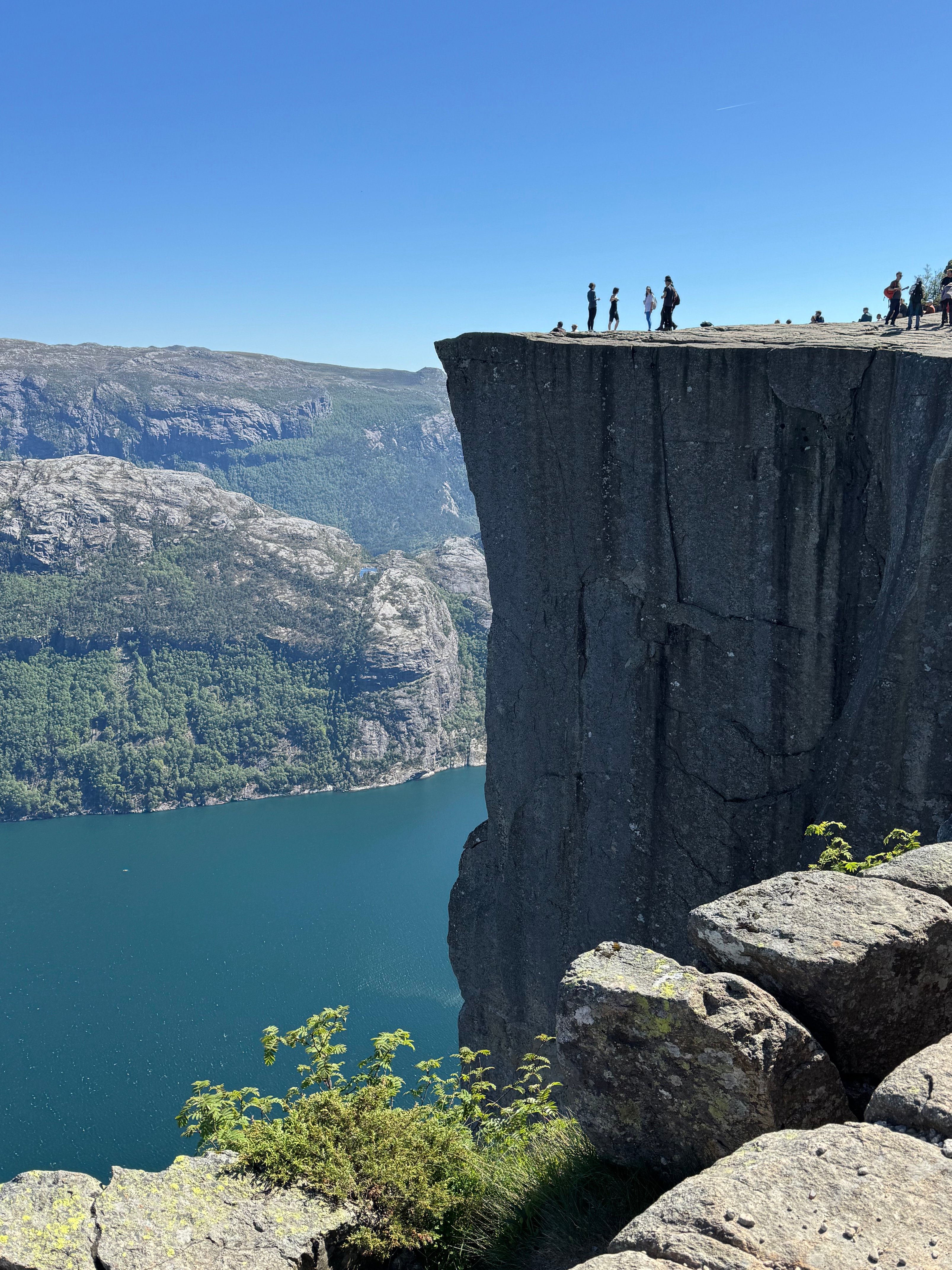
From there, a cab took us to the Preikestolen Visitor Centre. The hike wound over wooden walkways, stony paths, and steep ascents. The sun was blazing, the sky perfect blue, and every step revealed wider views of Lysefjord. Reaching the top of Pulpit Rock — 604 metres above the water — was unforgettable. Looking down into the fjord we’d just swum in and knowing CatZero lay anchored below.
That evening, back at anchor, the skipper gathered us around. A storm was building out in the North Sea. For the safety and comfort of the crew, we might need to cut short our plans and return early. It was a sobering reminder that the sea, not us, had the final say.
Taljge & Watercolours
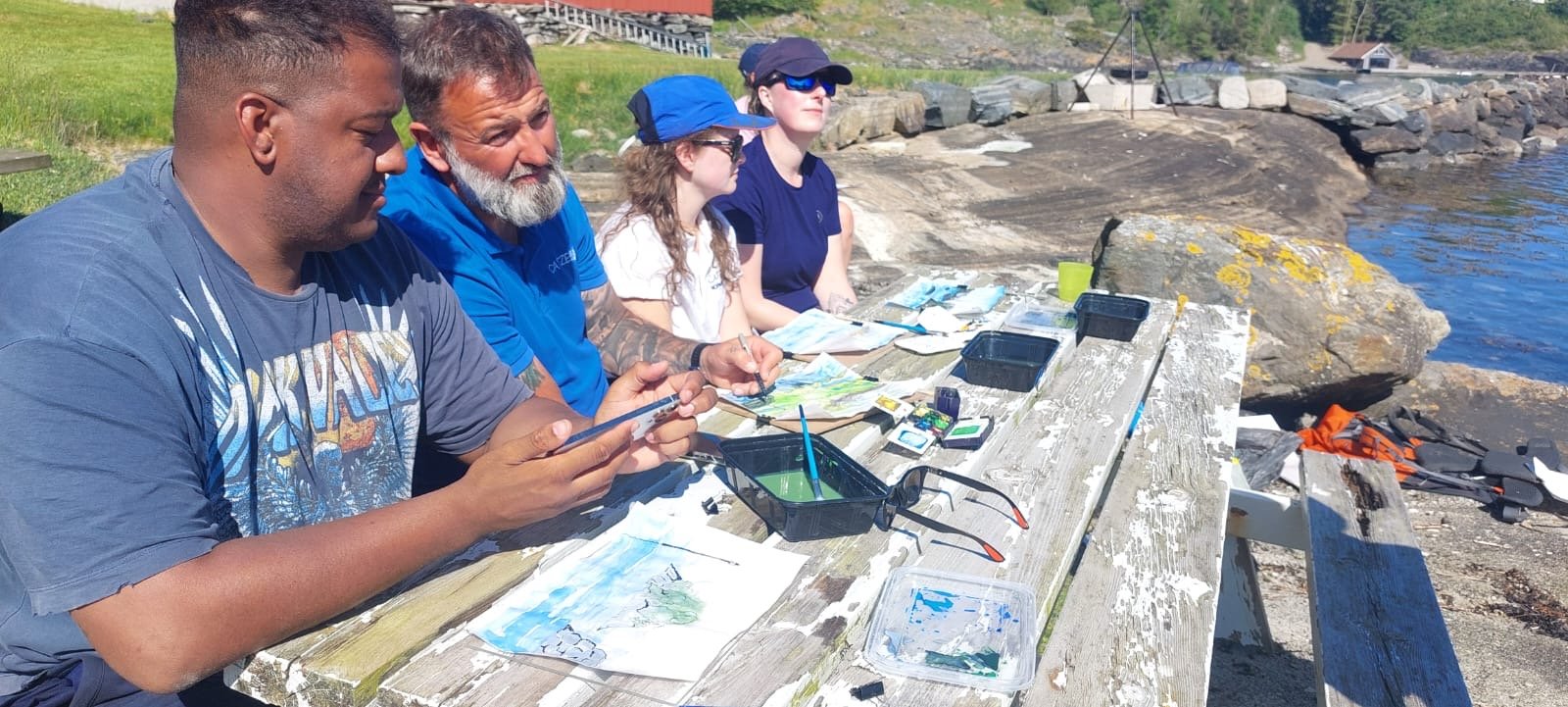
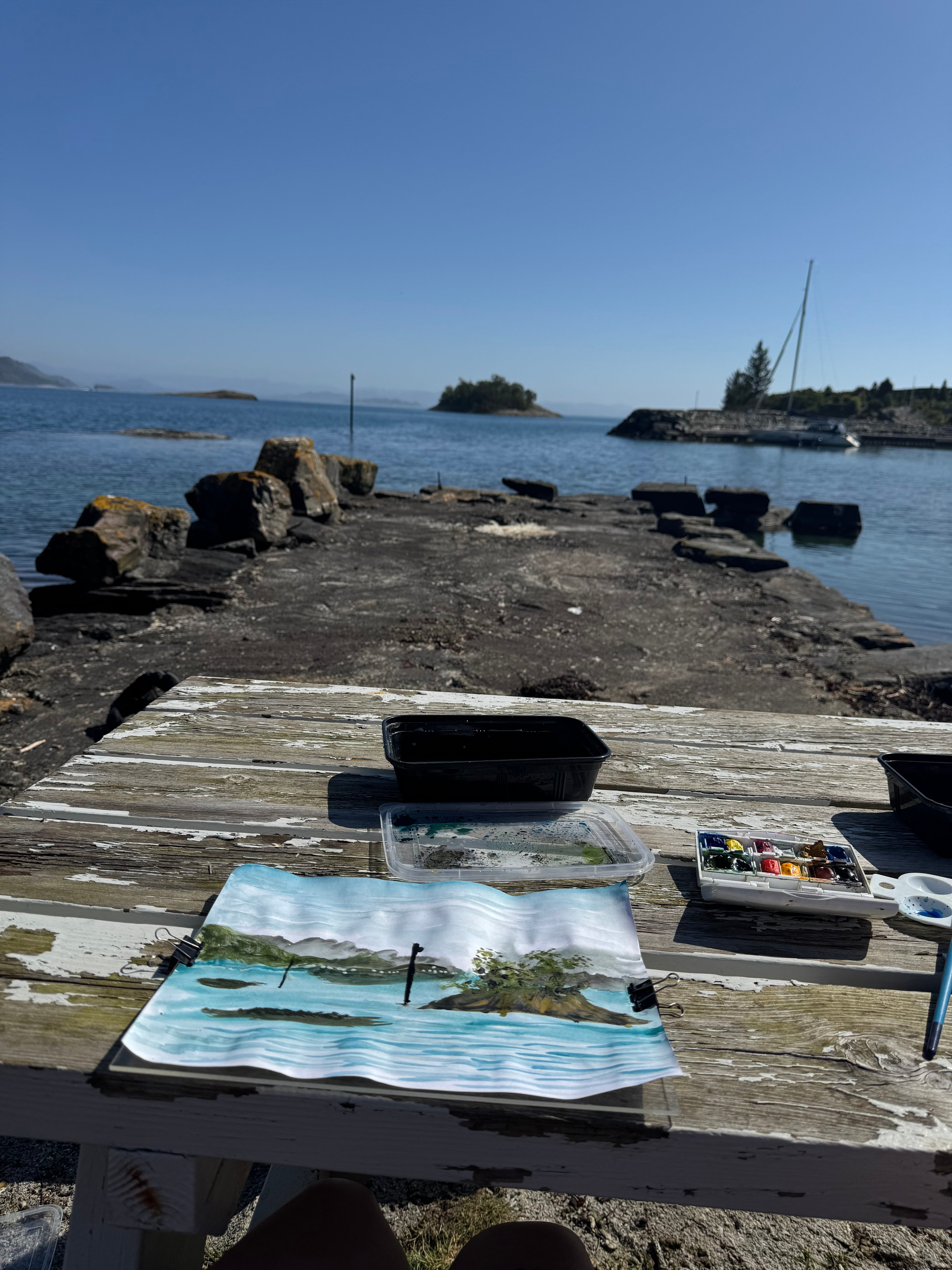
In the end, we decided to wait one more day and make the most of the calm before the storm. CatZero anchored at Taljge, and the first mate surprised us with a watercolour workshop ashore. We sat at picnic benches with brushes and paints, capturing the fjord around us. It was a rare still moment in the middle of a high-energy trip — a chance to be creative, to slow down, and to really be present and soak in the scenery.
Exploring Stavanger & Final Night Out
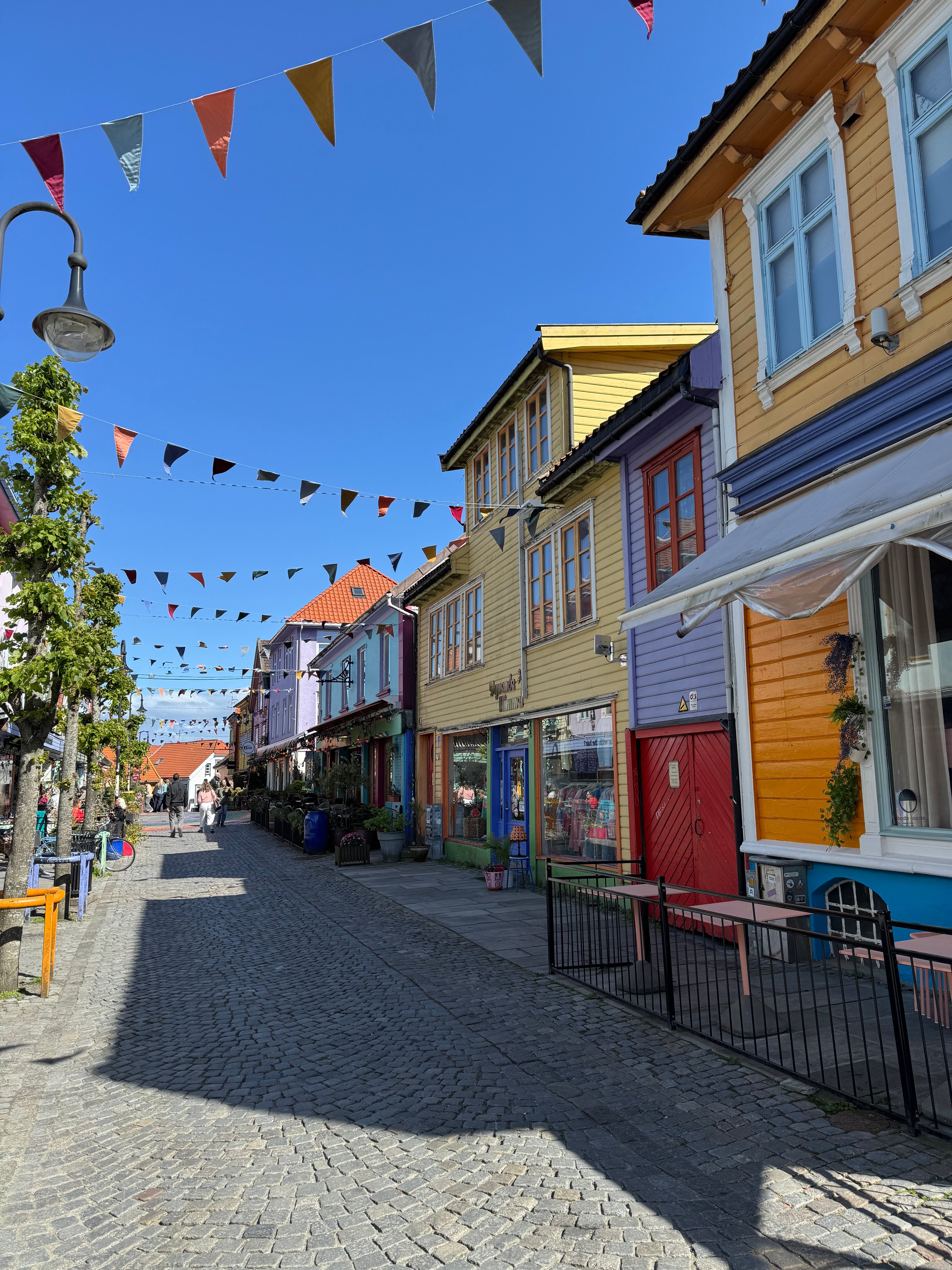
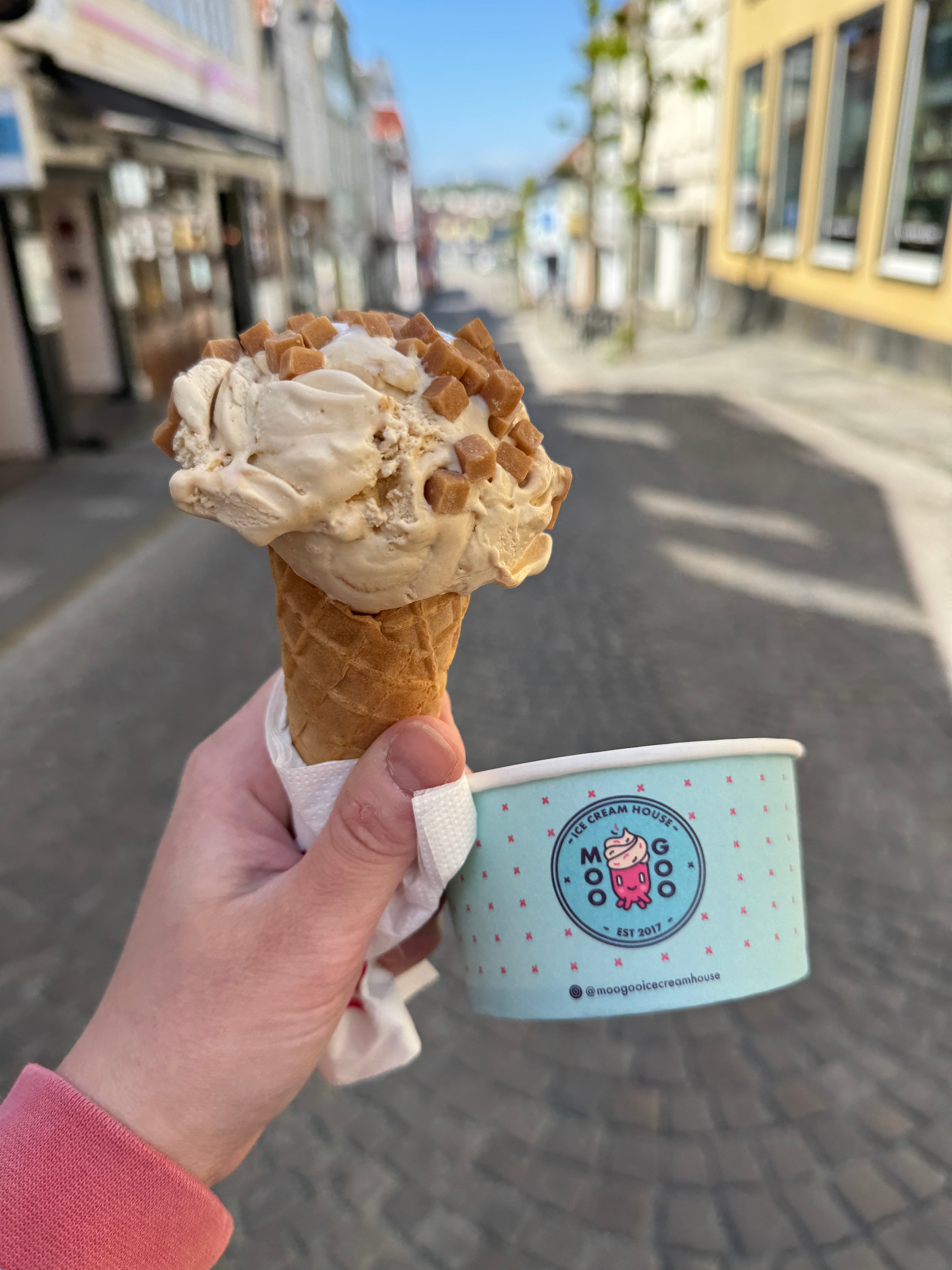
We returned to Stavanger and spent the day exploring inland. Cobbled streets wound between white-painted houses, the cathedral stood rooted in history, and colourful Øvre Holmegate was alive with cafés and bunting. I treated myself to fish and chips with mushy peas and later an ice cream from a little shop called Moogoo.
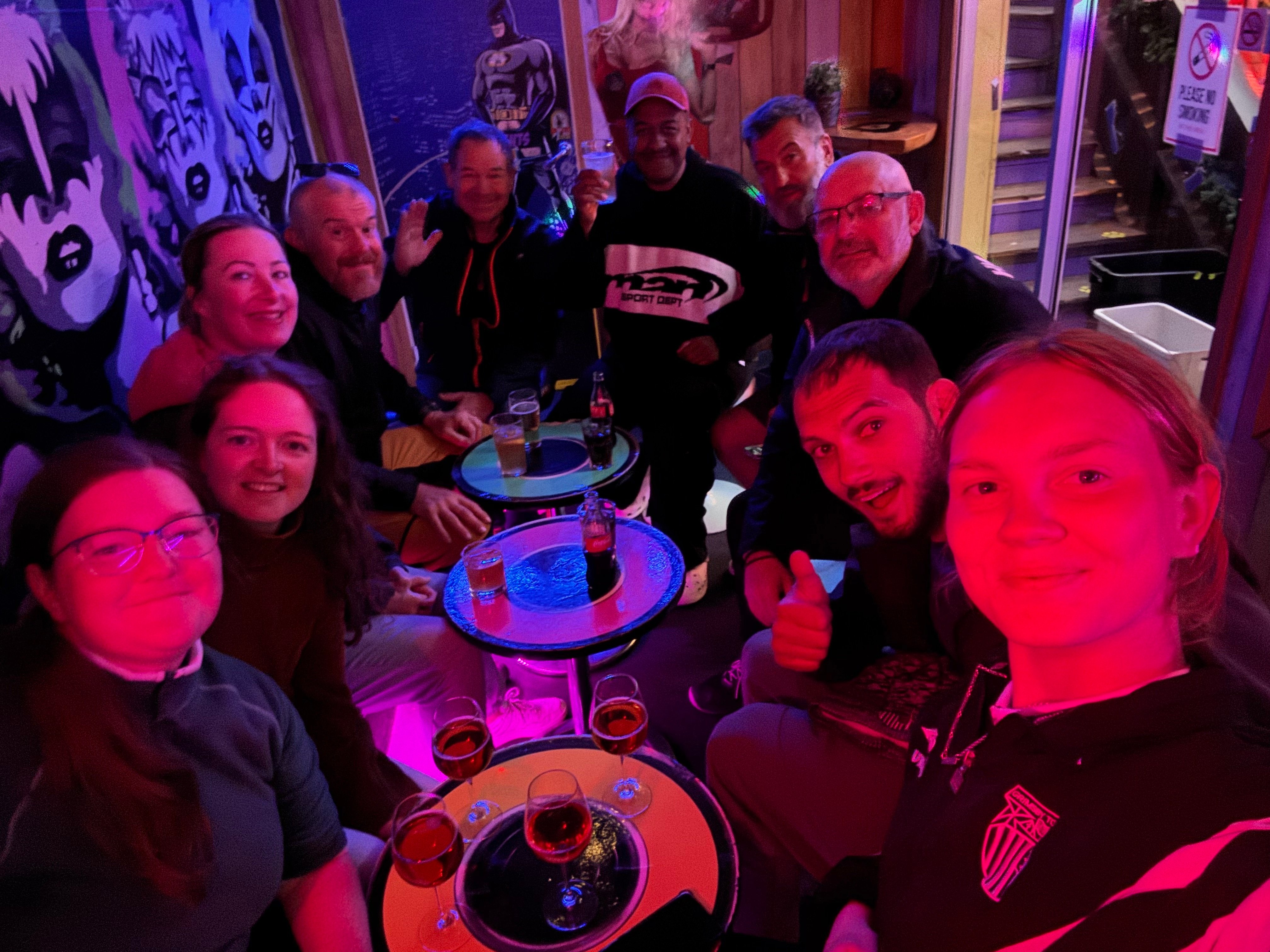
That night, the crew gathered for one final night out before the serious business of sailing home. Drinks, laughter, and bright bar lights were a last taste of shore before the long passage back across the North Sea.
The North Sea Crossing
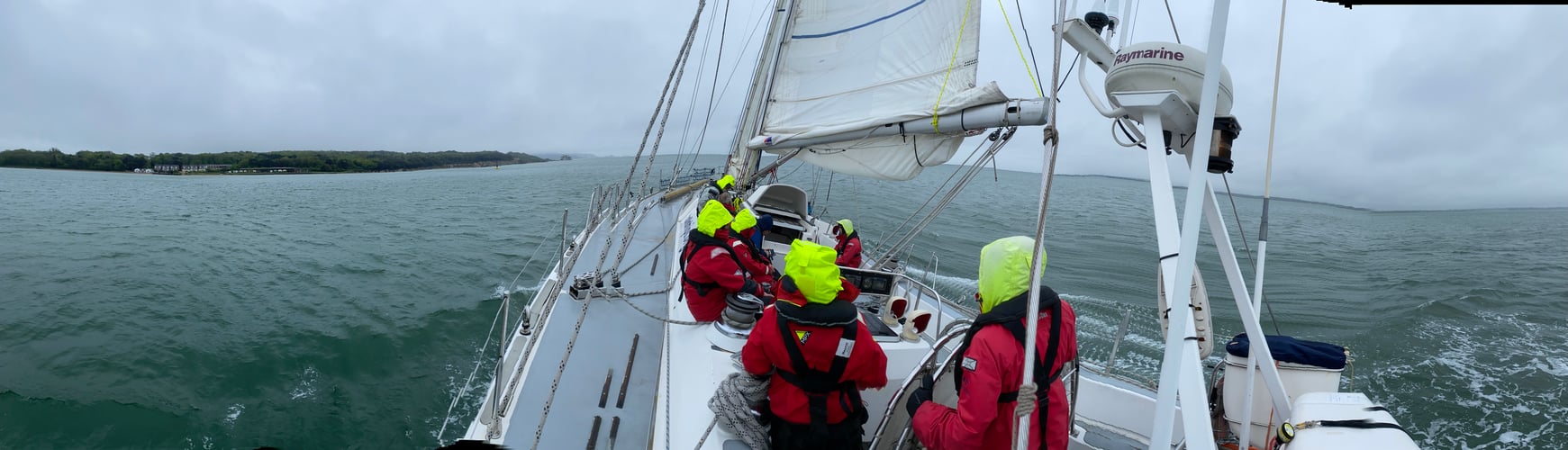
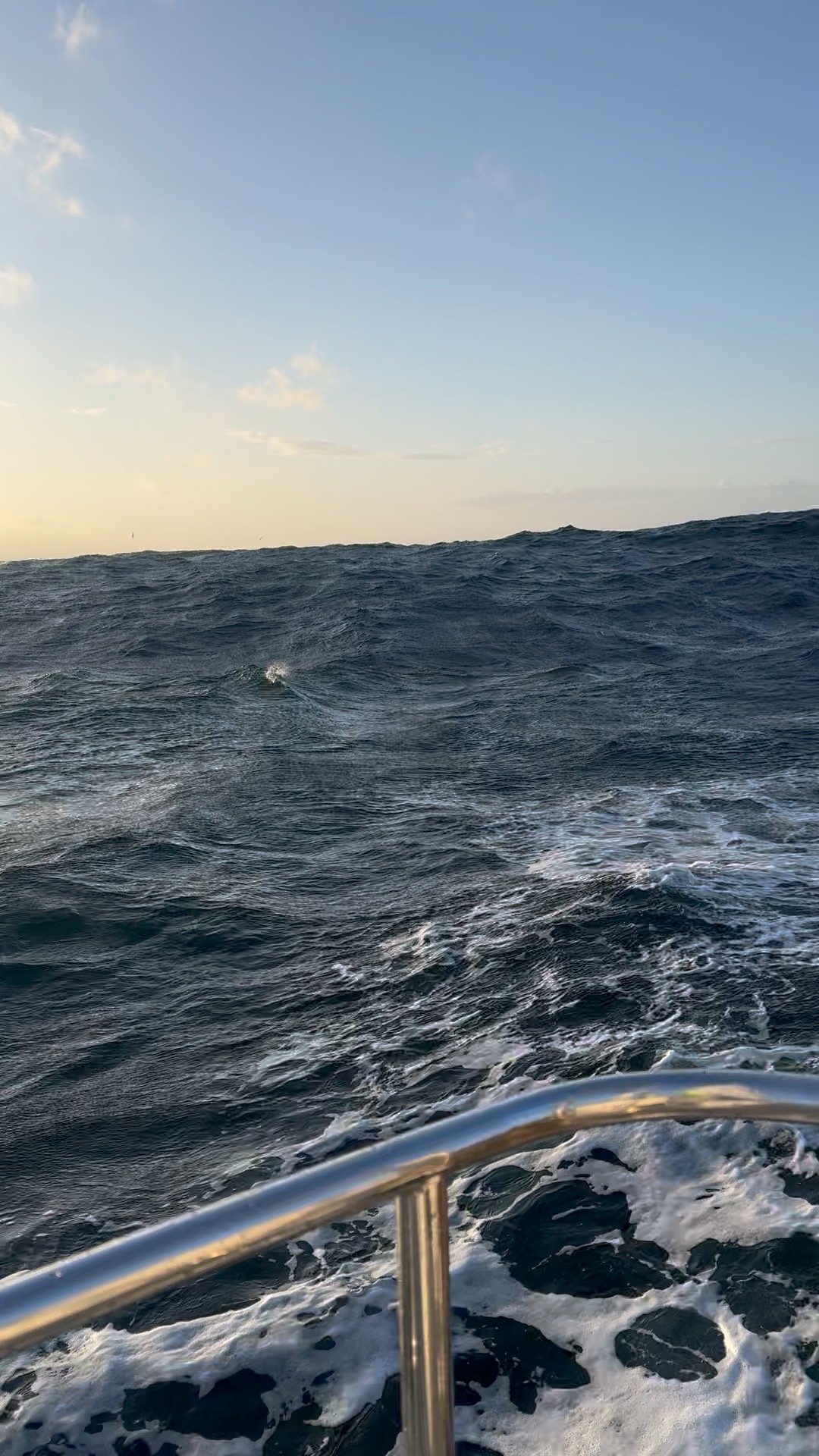
Once Stavanger faded behind us, life fell into the rhythm of offshore sailing: six-hour watches by day, four hours by night. The first 24 hours were brutal. Many of the crew were seasick. I was sick twice before I found my sea legs.
On deck, helm duty was split into 20-minute turns. It doesn’t sound long, but with spray and wind full in the face, and the wheel heavy underhand, those minutes stretched. Braced against the deck, wiping the compass clear again and again just to hold course, it felt like wrestling the sea itself. We were clipped on at all times, moving with both hands free, focus narrowed to staying safe and keeping the boat driving forward.
Below deck was a challenge, staying down too long, and the sickness returned. Coming off watch was a race — peel off wet foulies, hang them in the locker, stumble to the heads, force down food or water, and collapse into your bunk. Lying flat was the only time your stomach settled. Then the cycle reversed: drag on still-damp gear, harness up, and scramble back on deck before your stomach turned again. Forget brushing your teeth or washing. You slept in base layers, always ready to pull foulies back on.
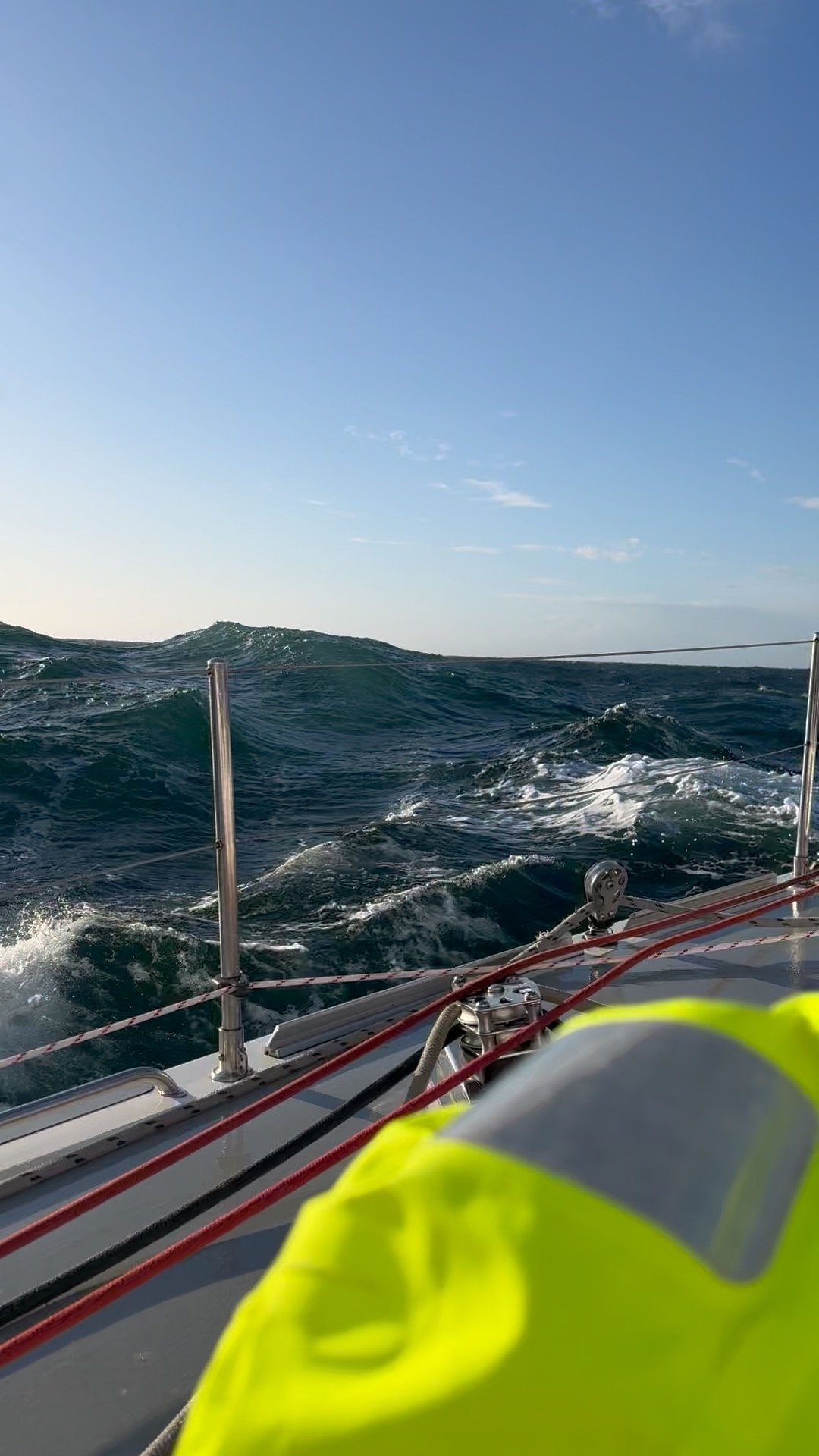
The logbook put it simply: “High seas.” In reality, it was Force 7–8 conditions, 4–6 metre waves, spray hammering over the bow. Photos are scarce — in truth, no one had hands free for cameras. We were living fully in the moment, braced, tired, but determined.
Arrival in Hull
Early on the 24th, grey skies and tankers on the Humber told us we were home. After days of salt, spray, and sleeplessness, stepping ashore in Hull felt surreal. The steady ground makes you feel nauseous once again before the return of your land legs..
Reflections
This voyage had everything: the drama of travel just to reach the boat, the calm of fjords, the exhilaration of swimming beneath cliffs, the awe of Preikestolen, the stillness of painting by the shore, the laughter of a final night out, and the brutal test of a stormy North Sea crossing.
The log holds the facts, the photos catch the colours, but what stays with me is the feeling of being very small, very alive, and exactly where I was meant to be.
Share Your Thoughts
Your comments and reflections mean a lot — feel free to share them below. 👇